01Developing Direction
Performance psychology and behavioural performance.
Understanding cognitive, emotional and behavioural mechanisms under demand.
Performance is rarely explained by one discipline. MindGame Africa is being built to connect the scientific perspectives that help us understand how people prepare, adapt, perform and recover.
Our performance science direction is multidisciplinary. Psychology and behavioural performance are important parts of that work, but they are not the whole of performance. Depending on the question, performance may also need to be understood through coaching science, physiology, biomechanics, strength and conditioning, performance analysis, nutrition, data and other relevant disciplines.
MindGame Africa will develop this capability responsibly. We will not present a discipline, laboratory or technical service as active until the qualified people, methods and infrastructure required to deliver it properly are genuinely in place.
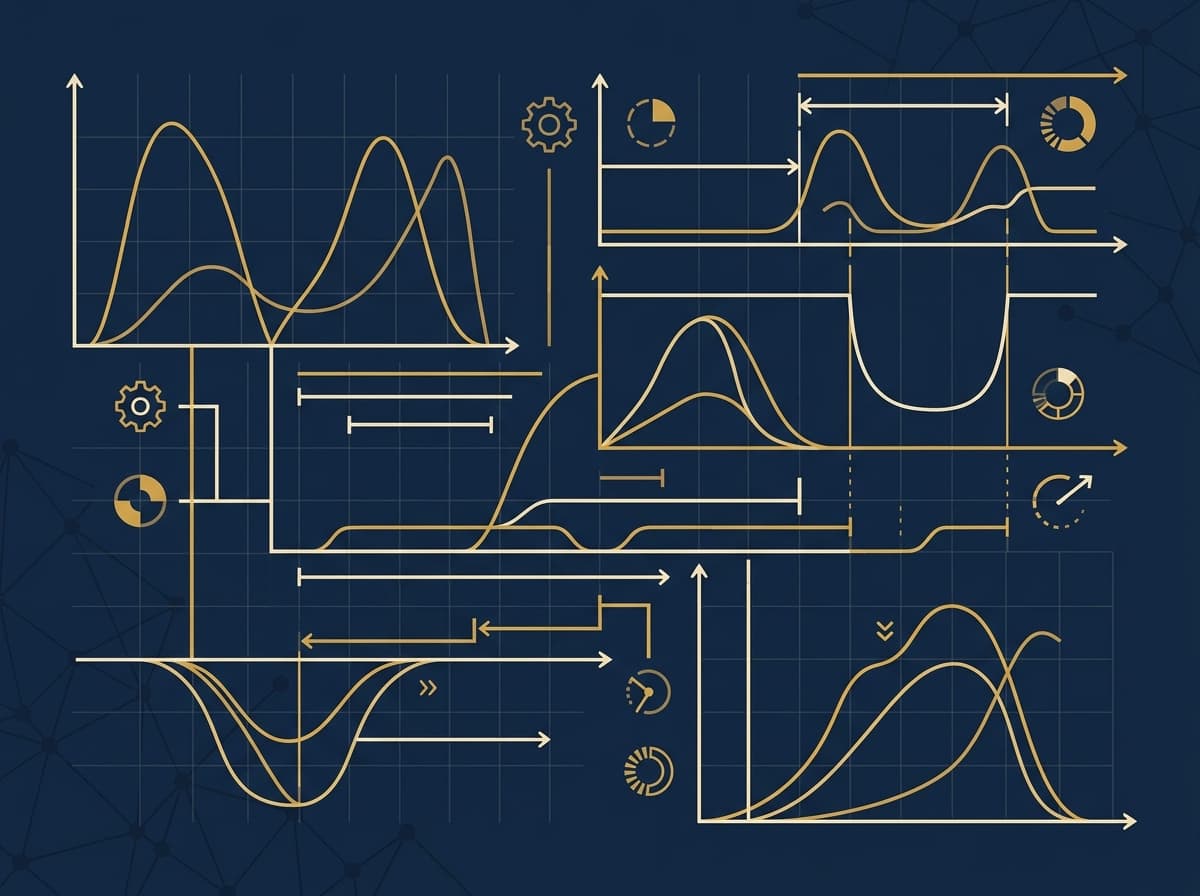
Guiding principles for scientific translation and cross-discipline collaboration.
Help frame performance problems in a way that allows the right disciplines to contribute.
Connect scientific knowledge with training, competition and professional practice.
Support assessment and interpretation where appropriate.
Encourage collaboration between specialists rather than isolated professional silos.
Translate complex findings into decisions that athletes, coaches and organisations can use.
Create stronger links between African performance environments and contemporary performance science.

These are areas of multidisciplinary direction, not services currently available. We will only present a capability as active when qualified specialists, methods and infrastructure are genuinely in place.
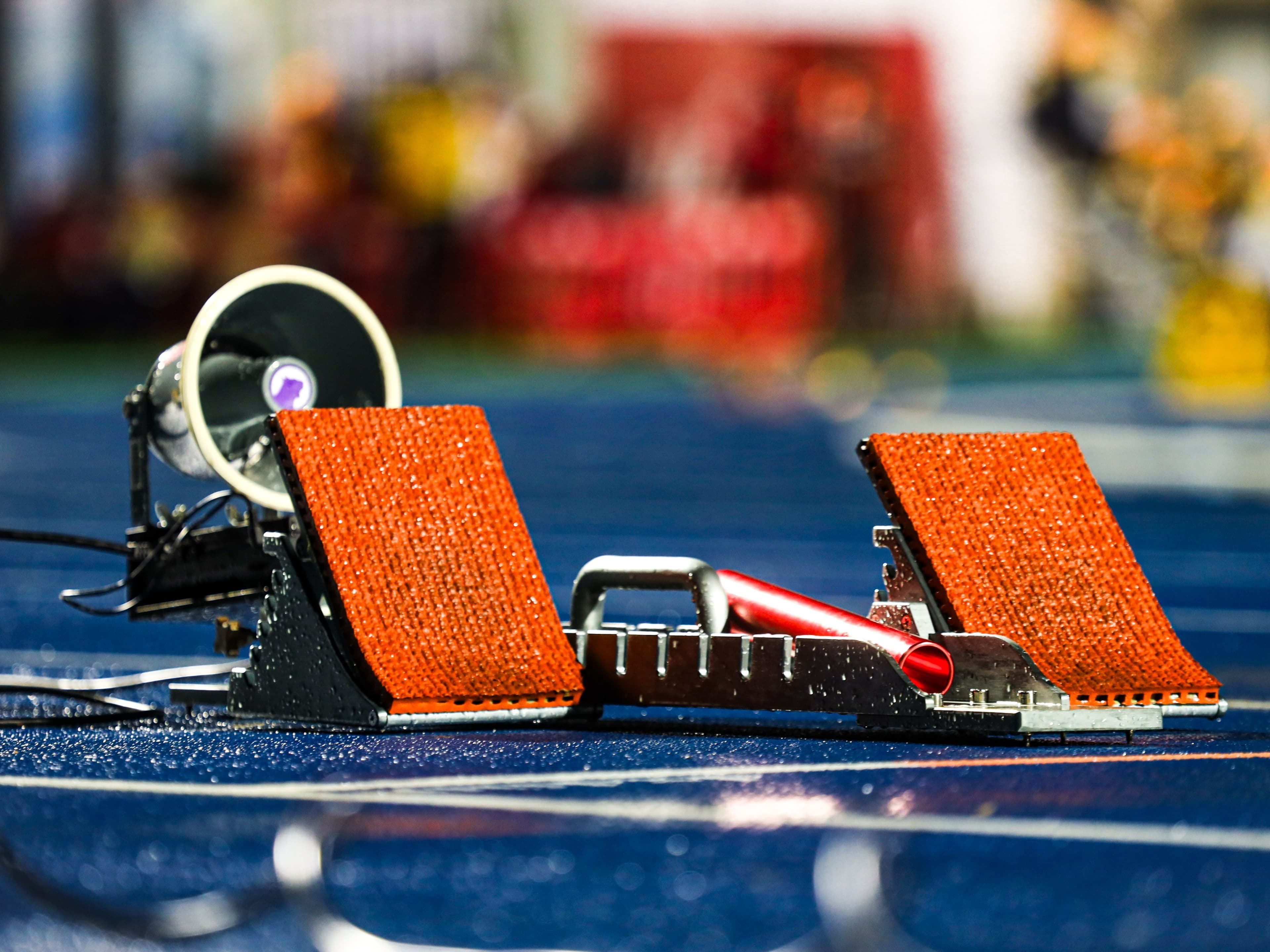
Understanding cognitive, emotional and behavioural mechanisms under demand.
Examining pedagogical models, coach behaviour, and effective learning environments.
Systematic objective analysis of tactical, technical and behavioural event data.
Understanding acute responses and chronic adaptations to physical training loads.
Mechanical analysis of human movement, technique efficiency and injury mechanisms.
Physical preparation frameworks for robust movement, force production and resilience.
Metabolic support, recovery protocols and contextual dietary strategies.
Methodological rigour, valid testing protocols and sound statistical interpretation.